
REVIEW · KEY WEST
Sails to Rails Museum Admission
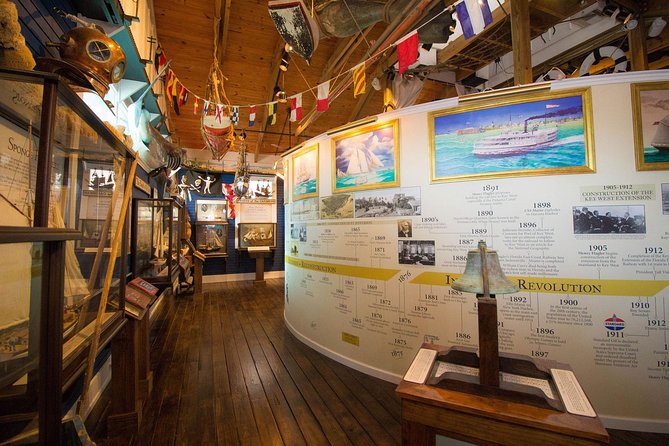
The most interesting part of Sails to Rails Museum is the long view. In one compact stop, you move from Spanish galleons and pirates in the Florida Keys to the railroad that linked Key West with the mainland. The story connects sea routes, trade, ambition, and one very difficult engineering project.
I like the self-guided format, since you can read at your own pace instead of being pushed through a timed tour. I also like the chance to see the Maggie Atwell House, the only remaining wooden structure built by the Florida East Coast Railway. At $10.75, it is an easy way to add some history to a Key West day.
The main consideration is the short and flexible visit length. The advertised time ranges from one minute to about an hour, so this is not a full-day attraction or a formal guided tour. You will get the most from it if you slow down and read the displays rather than treating it as a quick shelter from the sun.
Key points to know before you go
- Follow the story from the 1500s to today: The museum links sailing ships, pirates, trade, railroads, and modern Key West.
- See the Maggie Atwell House: This is the only remaining wooden structure built by the Florida East Coast Railway.
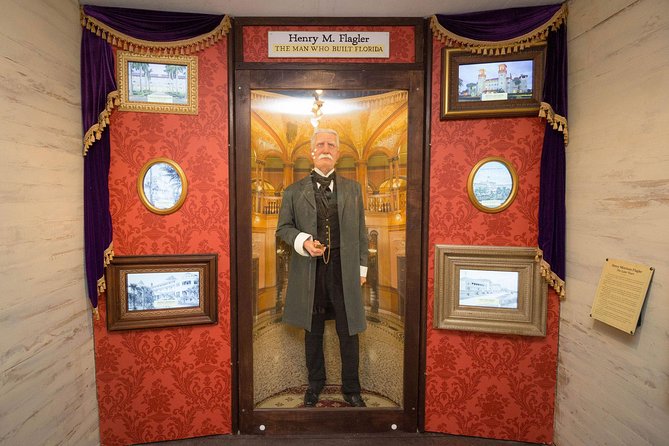
- Learn about the Overseas Railway builders: The museum focuses on the men who faced the challenge of building a railroad over the ocean.
- Explore without a guide or fixed pace: You can spend a few minutes or close to an hour, depending on your interest.
- Pay a modest admission price: Entry costs $10.75 per person, making this a practical add-on to a Key West sightseeing day.
Start at Flagler Station with a story that crosses centuries
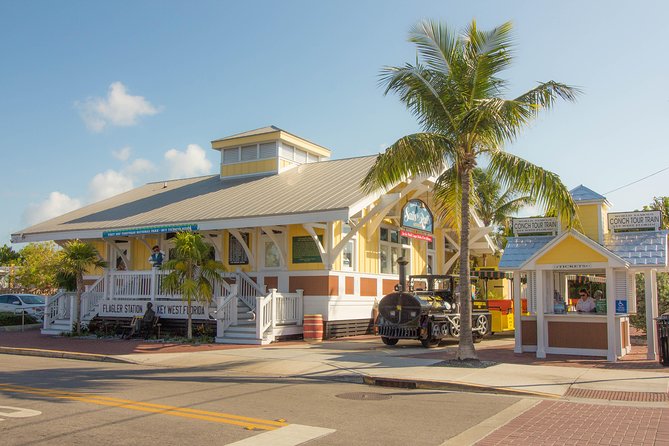
Sails to Rails Museum at Flagler Station gives you a useful way to understand Key West. Instead of treating the island as an isolated vacation spot, it places the city within the larger story of ships, commerce, transportation, and human determination.
The story begins in the 1500s, when tall ships crossed the Caribbean, the Gulf of Mexico, and the Florida Keys. These waters carried Spanish galleons loaded with treasure, merchant ships moving goods, and pirates looking for easy prey. The setting was dangerous, but it also connected the New World to the wider economy of Europe and the Americas.
That opening matters because Key West history did not begin with railroads or tourism. The sea came first. The islands were part of a busy maritime world, and the waters around them shaped the fortunes and dangers of the people who passed through.
You will then move forward through the age of sail toward the early 1900s. The emphasis shifts from ships to railroads, showing how transportation changed the reach of an emerging United States. The museum presents the change as a connected story rather than two unrelated subjects.
I find that approach helpful for a first visit to Key West. You gain context for why the city mattered, how it fit into regional trade, and why connecting it by rail required such an unusual effort.
More Museum Visits in Key West:
- San Salvador 16th Century Galleon Sail w/ Museum Admission
★ 5.0 · 3 reviews - San Diego: Californian Tall Ship Sailing and Maritime Museum
★ 5.0 · 3 reviews
The age of sail brings Key West into focus
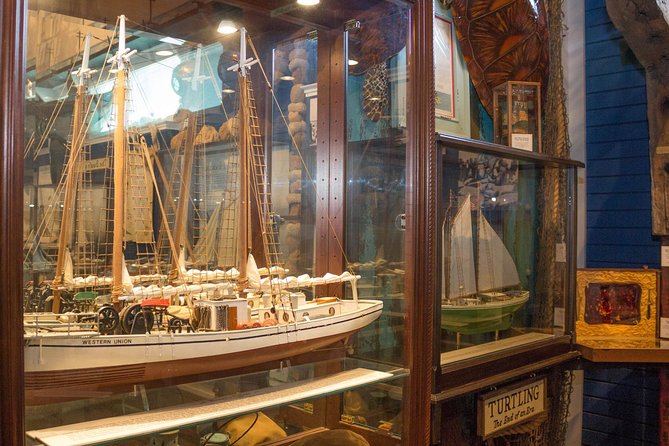
The sailing section is built around the waters surrounding the Florida Keys. You learn about the ships that used these routes and the risks they faced. Tall ships, treasure-laden Spanish galleons, pirates, and merchant vessels all form part of the account.
Do not expect the museum to replace a long maritime history course. It is an overview, designed to give you a clear sense of the forces that shaped the Keys. For many people, especially families, that broad approach will be easier to follow than a display focused on one narrow topic.
I would give this part more time if you enjoy stories of exploration, trade, and piracy. The subject has natural appeal for children, but adults can also use it to place Key West in a wider Caribbean and Gulf of Mexico setting.
The museum’s value here comes from connection. You are not simply looking at old objects or reading isolated dates. You are seeing how the sea served as both a highway and a hazard long before modern transport made the islands easier to reach.
The Maggie Atwell House offers a rare look at railroad history
One of the most specific features of the visit is the Maggie Atwell House. It is described as the only remaining wooden structure built by the Florida East Coast Railway, making it an important part of the railroad story.
A surviving building can make a transportation project feel more real than a collection of dates. The house gives you a physical link to the people and working world connected with the railway. It also adds variety to the visit, since you are not only reading about rail construction in a display area.
The information provided does not identify the house’s exact rooms, furnishings, or full history, so I would not arrive expecting a restored historic-home tour with a long list of interior details. Its importance is its connection to the railroad and its unusual survival.
Take your time here. Even a short visit can feel more memorable when you pause to consider what it means for a wooden structure from that railroad era to remain when so much else has disappeared.
Learn why the railroad over the ocean was such a big idea
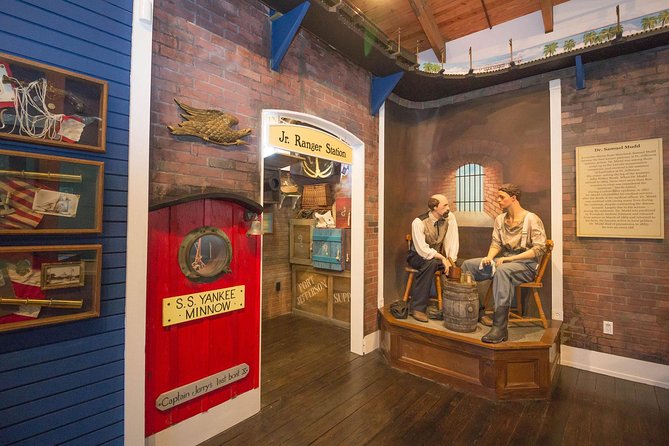
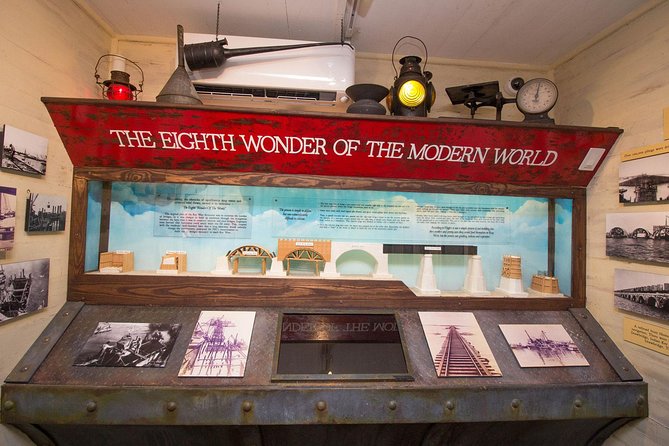
The railroad section centers on the men who built a railway over the ocean. That is the museum’s human story: people trying to carry a major transportation line across water and between islands, despite the obvious physical challenges.
You do not need to be a railroad enthusiast to appreciate the scale of the goal. A project like this required perseverance, planning, and sustained labor. The museum presents the railroad as part of a period when railways opened the frontiers of a growing nation.
This is also where the title Sails to Rails becomes clear. The experience follows the shift from sea travel to rail travel, showing how one form of transportation gradually changed the way people and goods could move through the Keys.
The account is especially useful if you plan to see other railroad or Henry Flagler-related sights in Florida. Even without adding another attraction, it gives you a basic framework for understanding why the railway mattered to Key West.
I would not expect a full engineering breakdown from the information provided. If you want technical specifications, construction plans, or a detailed account of every stage of the railway project, you may find this museum too brief. Its strength is the clear overview and the focus on the people who made the goal possible.
A few more sailing tours around Key West worth a look
- Key West Sunset Sail with Open Bar, Live Music and Hors D’oeuvres
★ 4.5 · 3,559 reviews - Key West Afternoon Snorkel Sail with Unlimited Cocktails!
★ 4.5 · 1,572 reviews - Key West Small-Group Sunset Sail with Wine and Hors d’oeuvres
★ 5.0 · 1,366 reviews - Key West Sunset Sail with Live Music, Drinks and Appetizers
★ 4.5 · 952 reviews
A self-guided visit lets you set the pace
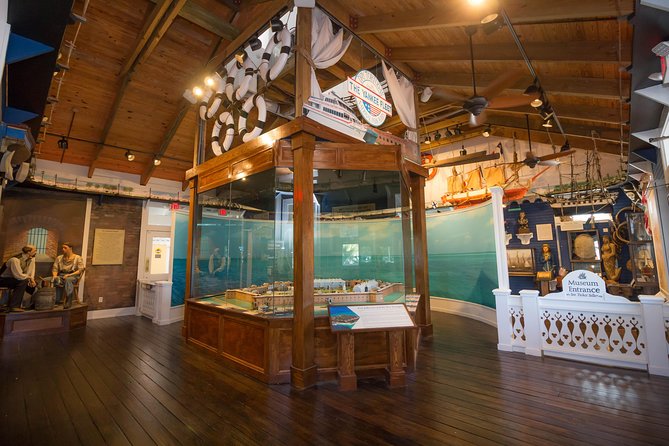
This is a self-guided museum visit, not a scheduled walk with a named guide. That makes the experience easy to fit into a day of Key West sightseeing.
You can spend only a few minutes if you are passing through, or close to an hour if the maritime and railroad subjects hold your attention. The stated duration ranges from one minute to one hour, which tells you something important: there is no need to build your whole day around this stop.
I prefer this kind of flexibility in a small museum. You can pause over the parts that interest you and move quickly past subjects that do not. Families also get more freedom, since children do not have to remain with a group for a fixed presentation.
The trade-off is that you must create your own pace and focus. A guide will not shape the story for you, answer questions, or add personal context. If you learn best through conversation, this may feel less engaging than a guided tour.
For the best visit, allow enough time to read rather than simply walking through. The museum’s value is in the connections between the displays, and those connections can be easy to miss if you rush.
Why $10.75 can be good value in Key West
Admission costs $10.75 per person. In an expensive destination like Key West, that is a modest price for an indoor attraction with a clear historical theme.
The value depends on how you use it. If you spend one minute inside, the price will not feel worthwhile. If you give the museum 30 minutes to an hour, read the material, and take in the Maggie Atwell House, the admission becomes a reasonable purchase for a historical stop.
I especially like the fact that the ticket covers the museum admission without requiring a longer package or a formal tour. You can add it to a day that already includes other Key West plans.
The museum also gives you a break from the heat. One direct advantage of an indoor attraction is the chance to step out of the sun while still doing something connected to the place you are visiting. That makes it useful on a hot afternoon, though it should not be the only reason you go.
The attraction is recommended by 90 percent of those who rated it, with an overall score of 4.7 from 10 reviews. That is a small number of ratings, so I would treat the score as encouraging rather than conclusive. The consistent strengths are clear: reasonable admission, a self-guided format, and an appealing history subject.
Who will get the most from this museum
Sails to Rails works best for adults and children who enjoy a broad historical story. The mix of ships, pirates, railroads, and a difficult construction project gives families several ways into the subject.
It is also a good choice for anyone who wants more context before exploring the Florida Keys. You will leave with a clearer idea of how the region moved from a maritime world toward a railroad-connected one.
History fans may appreciate the stop because it covers a long period, from the 1500s through the early 1900s and into the present. That time span gives you a quick framework for later sightseeing.
I would be more cautious if you want a highly interactive attraction, a live demonstration, or a long guided talk. None of those features are provided in the information available. This is a quiet, self-paced museum visit built around reading and looking.
The maximum group size is 14 people. That is a small cap, but because the visit is self-guided, the number matters less than it would on a walking tour. You should still expect a more personal scale than a large group attraction.
Practical details that make the visit easy
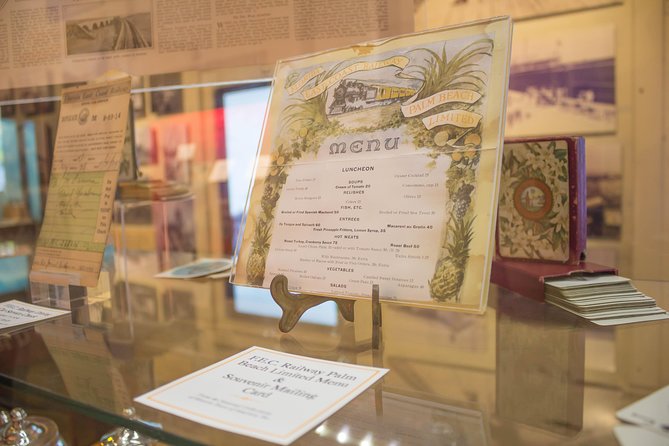
You receive confirmation when booking, and mobile tickets are available. The experience is offered in English, so you should be comfortable reading and following English-language information during the visit.
Transportation to and from the museum is not included. You need to make your own way to Flagler Station, and the attraction is near public transportation. That makes it easier to add to a Key West sightseeing route, but you should still plan your transport separately.
Service animals are allowed, and most people can participate. No special physical requirements are stated, so the experience should suit a broad range of visitors, but the supplied information does not give detailed accessibility notes about the building itself.
The cancellation policy is simple: you can receive a full refund if you cancel at least 24 hours before the start time. Cancellations made within 24 hours are not refunded, and changes inside that window are not accepted. Cut-off times use local time.
How to fit Sails to Rails into your Key West day
Because the visit may take as little as a few minutes or as long as an hour, it works best as a flexible stop rather than the centerpiece of your schedule.
You might use it early in the day to get historical context before seeing more of Key West. You could also visit during the hottest part of the afternoon, when an indoor museum is more appealing than another outdoor walk.
The best plan is to avoid giving yourself only one minute unless you are simply checking the attraction off a list. Allowing 30 minutes gives you time to follow the sea-to-rail story, consider the railroad builders, and see the Maggie Atwell House without making the visit feel rushed.
If you are traveling with children, let them focus first on the most dramatic ideas: pirates, treasure ships, and a railroad built over the ocean. Adults can then spend more time with the transportation story and the house.
The museum does not include transportation or a guide, so it is easy to combine with other plans, but it also requires a little self-direction. Check your route, arrive with your mobile ticket ready, and decide in advance how much time you want to spend.
Should you book Sails to Rails Museum?
I would book this attraction if you want an inexpensive, low-pressure way to understand Key West beyond beaches and nightlife. The combination of maritime history, the Maggie Atwell House, and the railroad over the ocean gives the visit a clear sense of place.
It is especially worthwhile for families, history fans, and anyone looking for an indoor break. At $10.75, the financial risk is low, and the self-guided format means you are not locked into a long tour.
I would skip it if you want a major museum with extensive exhibits, live interpretation, or a detailed technical study of railroad construction. This is a short overview, not an all-day attraction.
For most visitors with even a passing interest in Key West history, I think it earns a place in the schedule. Give it more than a quick glance, and the modest admission can buy you a useful understanding of how the Florida Keys moved from sails to rails.
FAQ
How much does admission to Sails to Rails Museum cost?
Admission costs $10.75 per person.
How long does a visit take?
The visit can take from about one minute to one hour, depending on how much time you spend reading and exploring.
Is the museum guided?
The visit is self-guided. You can explore at your own pace rather than following a scheduled guide.
What historical periods does the museum cover?
The museum covers the Florida Keys from the 1500s through the present, with attention to the age of sail and the railroad era.
Is transportation included?
No. Transportation to and from the attraction is not included, although the museum is near public transportation.
What is the cancellation policy?
You can cancel at least 24 hours before the experience start time for a full refund. Cancellations or changes made within 24 hours are not accepted, and the amount paid is not refunded.
Just added around Key West
- Schooner Appledore Day Sail with Full Bar in Key West★ 5.0 · 89 reviews
- Key West Dolphin Watch and Sunset Sail on Catamaran★ 4.5 · 33 reviews
- Key West’s Favorite Afternoon Dolphin Sail★ 4.5 · 136 reviews
- Key West: Sunset Sail + Reef Snorkel & Sandbar★ 5.0 · 29 reviews
- 2-Hour Sunset Sailing With Wine In Stock Island★ 5.0 · 94 reviews
- Private Key West Sunset Sail★ 4.5 · 49 reviews
- Private 2-Hour Wind and Wine Sunset Sail in Key West★ 5.0 · 87 reviews
- Key West Historic Schooner When And If Sunset Cruise★ 5.0 · 114 reviews
Key West Sailing Tours, side by side.

Key West Sunset Sail with Open Bar, Live Music and Hors D’oeuvres
Read our review →
Key West Afternoon Snorkel Sail with Unlimited Cocktails!
Read our review →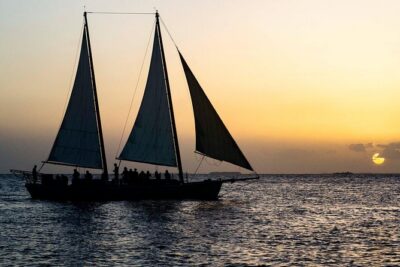
Key West Small-Group Sunset Sail with Wine and Hors d’oeuvres
Read our review →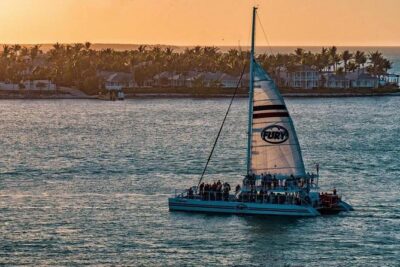
Key West Sunset Sail with Live Music, Drinks and Appetizers
Read our review →
Sunset Sail in Key West with Beverages Included
Read our review →
Key West Schooner Sunset Sail with Bar & Hors d’oeuvres
Read our review →
Key West Full-Day Ocean Adventure: Kayak, Snorkel, Sail
Read our review →
Key West Sunset Sail: Dolphin Watching, Wine, and Tapas
Read our review →This sailing also appears in